Showing posts with label Gynecology. Show all posts

Tuesday, March 25, 2014

History And Examination Of The Breast

- 1 comments

(1) Benign Breast Disease:
  • Most women who present with breast pain, nipple discharge or breast masses are primarily concerned about the possibility of breast cancer
  • A careful, through history and physical examination are essential to evaluate these condition

(2) Breast Cancer:
  • Breast cancer is the commonest cancer among women
  • one in every 12 women develop breast cancer at some time in her life
  • Moreover, breast cancer is the most common single cause of death in women at the age of 35-54 years

History:
  • It should include:
  1. Age of the patient, age at menarche; parity, including age at first delivery; occurence of breastfeeding after each delivery and for how long
  2. Method of birth control and duration of use
  3. personal and family history of cancer, particularly breast, ovarian and colon
  4. the types and duration of medications and procedures used in women with a history of infertility
  5. The use of postmenopausal hormone replacement therapy (HRT)

Physical Examination:
  • Particular attention should be paid to:
  1. Palpable breast lumps
  2. Skin changes (such as dimpling)
  3. Nipple direction, which may be altered due to retraction from an underlying carcinoma
  4. women with breast implants should be reffered to a breast surgeon
  • Women with benign breast conditions generally present with one of three signs or symptoms: breast, nipple discharge or breast mass.


(1) Breast Pain (Mastalgia or Mastodynia)
  • Of the three clinical findings, breast pain is the least likely to be associated with breast cancer
  • Types of breast pain:
  1. Cyclic mastalgia - Breast pain varies with the menstrual cycle
  2. Non cyclic mastalgia - This breast pain does not vary with the menstrual cycle
  3. Breast pain associated with cancer - This type of breast pain is uncommon and it is more likely to be unilateral, localized, unremitting and constant

(2) Nipple Discharge
  • Approxiamtely 3 to 10% of breast complaints involve nipple discharge
  • Types of discharge:
Benign nipple discharge
Malignancy nipple discharge
- It is generally bilateral
- It is more likely to be milky
- It may be yellow or green in color
- It is apparent at several ducts and can be elicited with breast manipulation
- It is more likely to be unilateral
- It is usualy pink, bloody and non milky
- It is frequently associated with breast mass
  • Ductal papilloma is characterized by bloodstained secretion from the nipple
  • Evaluation:
  1. Hormonal essay: prolactin and Thyroid-stimulating hormone (TSH) levels should be evaluated
  2. CT scan and MRI

(3) Breast Mass
  • These may be:
Benign breast masses
Malignancy breast masses
- It is more likely to be soft or cystic
- It have regular borders
- It is freely mobile
- It is asymptomatic early in the course of breast 
  • Types of benign breast masses:
  1. Fibrocystic disease or fibrocystic change
  2. Cyst
  3. Fibroadenoma
  4. Sclerosing adenitis
  5. Fat necrosis
  6. Duct ectasia
[Continue reading...]

Sunday, March 23, 2014

Benign Breast Disease

- 0 comments


Introduction:
  • Benign breast condition are practically a universal phenomena among women.
  • It is more common than breast cancer but difficult to differentiate it from cancer although it accounts for about 90% of clinical presentation related to the breast
  • In any women presenting with a breast lump it is important to try to differentiate those that are benign from those that may be malignant.
  • Incorrect diagnosis and inappropriate treatment is associated with significant morbidity
  • Triple assessment approach (history & clinical examination, imaging and pathological studies) are important to reach the final diagnosis

Different between Benign & Malignant:
  1. By physical examination: 
  • Generally:

Benign
Malignant
Consistency
Soft or rubbery
Hard or firm
Skin manifestation
Absent
Present (advance stage)
  • Exception:
Benign lesion that mimic cancer
Cancer lesion that mimic benign
- Radial scar
- Traumatic fat necrosis
- Diabetic fibrous mastopathy
- Granulomatous mastitis
- Lobular carcinoma in situ
- Medullary carcinoma
- Tubular carcinoma
- Phylloid tumour

Clinical Picture:
  1. Painless breast lump (36%)
  2. Painful lump or lumpiness (33%)
  3. Breast pain alone (17.5%)
  4. Nipple discharge (5%)
  5. Nipple retraction (3%)
  6. Swelling or inflammation (1%)

Evaluation:
  • The triple assessment approach in benign breast disease are:
  1. History taking and clinical examination (see gynecology chapter)
  2. Imaging→ ❶ Ultrasound ❷ Mammography
  3. Pathological studies→ ❶ Fine needle aspiration cytology (FNAC) ❷ Core biopsy ❸ Open biopsy

Etiology:
  • Most benign conditions arise on the basis of dynamic changes which occur in the breast through the 3 main periods of reproductive life
  • These changes are known as Abberation of Normal Development and Involution (ANDI)
  1. Breast Development→ Disorder of breat development in early reproductive life
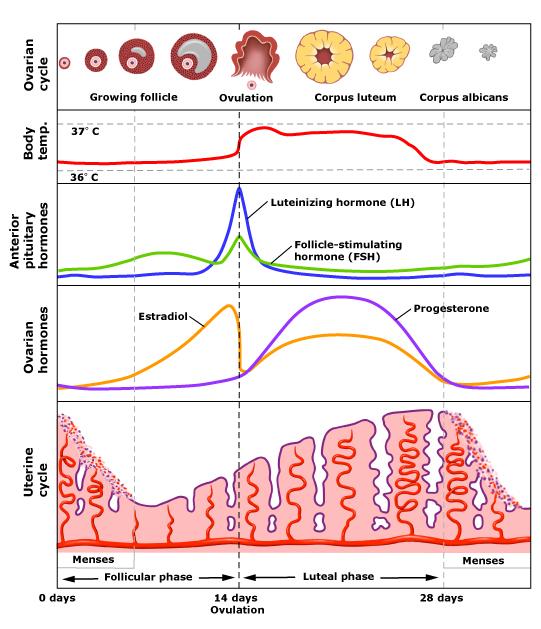
  2. Cyclic Activity→ Disorder of breast condition in mature reproductive life, regular changes in relation to menstrual cycle, pregnancy doubling the breast weight at term
  3. Involution→ Disorder of breast condition in late reproductive life, the breast stroma is replaced by fat, focal change of normal epithelium to sweat gland epithelium (apocrine metaplasia), increase number of gland (adenosis) and increase number of cell lining (hyperplasia)

  • Abberation of Normal Development and Involution (ANDI):
Age
Normal Process
Aberration
< 25
Breast Development
-Lobular
-Stromal
-Nipple evertion

Fibroadenoma (Giant fibroadenoma)
Juvenile hypertrophy (Giagantomastia)
Nipple inversion (subareolar abcess/ Mammary duct fistula)
25 – 40
Cyclic Activity
( regular changes in relation to menstrual cycle)
Epithelial hyperplasia of pregnancy

Cyclic mastalgia (incapacitating mastalgia)
Cyclic nodularity (diffuse or focal)
Bloody nipple discharge
35 – 55
Involution
-Lobular
-Stromal
-Ductal (dilatation)
-Ductal (sclerosis)
-Epithelial turnover

Macrocysts
Sclerosing lesions
Duct ectasia (periductal mastitis)
Nipple retraction
Epithelial hyperplasia (with atypia)

(1) Disorder of Breast Development in Early Reproductive Life
Juvenile Hypertrophy
Fibroadenoma
- Excessive breast enlargement during puberty
- Overgrowth of periductal connective tissue, increase number of ducts, no lobule formation
- No endocrine abnormality
- Treatment: Reduction mammaoplasty
- Most common benign tumours
- Occur at any time of puberty, but occur most frequent in the third decade
- Painless, well circumscribed, freely movable tumours with a rounded lobulated or discoid configuration
- Multiple in 10 – 15% and can become quite large
- No increased risk in relation to breast cancer
- Treatment: Remove fibroadenomas if >3 cm
(2) Disorder of Breast Condition in Mature Reproductive Life
Mastalgia
Nodularity
a) Cyclical Mastalgia
- Heightened awareness or pain
- Related to menstrual cycle
- Etiology: Hormonal, water retention, neurosis, essential fatty acids
- Treatment:
1. Exclude cancer
2. Reassure (proper fitting bra, reduce caffeine intake, drink soy milk)
3. Drugs (1st:Gamolenic acid-GLA, 2nd:Danazol, 3rd:Bromocriptine, 4th:Tamoxifen/LHRH)

b) Non-Cyclical Mastalgia
- Breast pain not related to menstrual cycle
-Classification: Chest wall, true breast, non breast
-Treatment:
1. Exclude specific cause
2. Simple Analgesic or NSAIDS
3. Steroid or Local Anaesthesia
a) Generalised Nodularity
- Breast are normally nodular

b) Focal Nodularity
- Most common cause of breast lump
- Up to the age of 50
-Etiology: Localised fibrosis, adenosis, microcyst or apocrine change. It also may be due to normal breast involution
- Management:
1. Clinical examination
2. Mammography for patient > 40 years
3. Biopsy if suspicious
4. Reassured and discharged if no abnormality is found
(3) Disorder of Breast Condition in Late Reproductive Life
Macrocyst
Epithelial Hyperplasia
- Most common dominant lump in patient age 35- 50 years
- Clinical presentation: May be silent or painful, may be palpable or only seen on ultrasound or mammography, may be single(often) or multiple and may be associated with nipple discharge
- Management:
1. Mammography for patient > 40 years
2. Aspirate the fluid with 21g needle
3. Cystology study if evenly bloodstained or mass persists
4. Review after 3 – 6 weeks
5. Cyst which rapidly or persistently refill should be excised

- An increase in the number of epithelial cell layers lining the terminal duct lobular unit
- Previously known as epitheliosis or papilomatous
Pathology: Mild→ No increased risk, Moderate/florid changes without atypia→ (1.5 -2), Atypical hyperplasia→ moderate risk (4-5). Strong interaction between atypia and family history
-Clinical presentation: Lumps, nipple discharge, screen detected
-Investigation: FNAC→ atypical cells, mammogram→ architectural distortion, microcalcification
- Treatment:
1. Moderate and florid hyperplasia→ no follow-up
2. Atypical hyperplasia→ clinical and mammographic surveillance, mastectomy with reconstruction
Sclerosis
Duct Ectasia
- Sclerosis adenosis and radial scars are associated with distortion of the terminal duct lobular unit
- Complex sclerosing lesions are associated with a significant amount of epithelial hyperplasia
-Some debate about radial scars as precursors of invasive tubular necrosis
Management:
1. Excision biopsy if often required to make a definitive diagnosis
2. No follow-up required unless associated with significant degree of epithelial hyperplasia
-Ducts dilate and shorten
-Contain inspissated (thick) material
-Minimal inflammation
-Clinical presentation: Presents with nipple discharge, slit-like nipple retraction or a mass
-Treatment: Troublesome discharge→ total duct excision

Classification:
  • There are now two different classifications that are used:
Clinical Classification:
Pathological Classification:
(1) Physiological swelling and tenderness→ it may be mammary dysplasia/cystic mastopathy (normally occur during premenstrual phase and resolve during menstrual phase) and premature thelarche 

(2) Nodularity→ hormonally-mediated change with lumpiness of the breast, bilateral symmetrical change are rarely pathology, asymmetrical change need to be review after 1 or 2 menstrual cycle

(3) Mastalgia (Breast pain)→ not usually associated with malignancy, it may be cyclic or non-cyclic pain

(4) Dominant or palpable breast lumps→ most benign lumps are either cyst or fibroadenoma

(5) Nipple discharge→ it may be physiological, duct papilloma, duct ectasia, periductal mastitis, cancer and galactorrhoea (hormonal imbalance)

(6) Breast infection and inflammation→ usually associated with lactation (Puerperal Mastitis) or without lactation (often associated with diabetes and immune compromise)
(1) Non-proliferative disorders→ no increased risk, the specific lesions: ❶ Fibrocytic changes, ❷ Fibrocystic disease, ❸ Duct ectasia, ❹ Solitary papillomas, ❺ Simple fibroadenomas, ❻ Mastitis or breast disease, ❼ Galactocele and ❽ Fat necrosis

(2) Proliferative disorders without atypia→ mild to moderate increase risk:  

(3) Atypical hyperplasia→ substantial increase in risk, the specific lesions: ❶ Ductal hyperplasia, ❷ Atypical hyperplasia, ❸ Complex Fibroadenomas, ❹ Sclerosing adenosis, ❺ Radial scars

Pathology:
Fibrocystic Breast Disease:
Fibrocystic breast change:
- Most benign breast condition
- Incidence-varying, related to age:
❶Menstruating year- 20%
❷30 - 50% in premenopausal years
- Synonyms:
❶Mammary dysplasia 
❷Cystic disease
❸Cyclic mastopathy
❹Cystic hyperplasia
- > 20% of premenopausal women
- Discomfort, cysts
- Treatment rarely required
- More likely to not detect a developing cancer


Pathophysiology of Fibrocystic Disease:
  • Hormonal basis and Methylexanthiones 
Hormonal Basis
Methylexanthiones
(1) Estrogen & progesterone
(2) Prolactin
- Increased intake of coffee, tea, cold drinks chocolate is associated with development of FDP
- Estrogen predominant over progesterone
- Corpus luteum deficiency/anovulation in 70%
- Patients with Pre Menstrual Tension Syndrome more likely to develop FBD
- Luteal phase is shortened
- Progesterone level decreased to 1/3 of normal
- Levels are increased in 1/3 of women with FDB
- Probably due to estrogen dominance on pituitary
(3) Thyroid
- Suboptimal levels sensitize mammary epithelium to prolactin stimulation

[Continue reading...]

Saturday, February 25, 2012

Delayed Puberty

- 0 comments
Definition:

  • Absence of breast development by the age 14 years
  • If more than 3 years elapsed between the onset of breast development & menarche
  • Absence of menses by the age of 16 years in presence of good secondary sex characters
[Continue reading...]

Puberty

- 0 comments
Definition: It is the period of life having a physiological changes proceeds over an average 4-5 years after initiated during which-
  • Sex character develop
  • Sex organ mature
  • Reproductive capacity attained- maturation of hypothalamus, pituitary and gonads
Adolescence - Includes the physiologic, social, behavioral & personal independence leading to the development of adult identity. It is broader term than puberty.

Theories of Pubertal Initiation:
The exact cause of the initiation of pubertal changes is not fully understood
  • Gonadostat theory
  • Critical weight & body fat mass
  • Onset of adrenal activity
  • Sleep mechanism
  • Central nervous system maturation

Pubertal Changes:
The sequence of events occurring at the time of puberty:
  • Thelarche (breast development)- breast bud appears at age 9-11, sign of ovarian production & completed over 3 years.
  • Adrenarche (maturation of adrenal gland)- production of 17 ketosteroids, DHEA & DHEAS, development of pubic (pubarche) and axillary hairs, follows after thelarche but can be first sign in 20% of girls.
  • Growth spurt- 3 phases; 5cm/year of minimum growth velocity, 8.5cm/year of peak height velocity & stage of decrease velocity.
  • Menarche (spontaneous first menstrual flow)
  • Anatomical maturation of the genital tract
  • Behavioral changes and psychic maturation

Pubertal Stages: Tanner's Classification:
Tanner's staging is a system based on the orderly, progressive development of breast (thelarche) & pubic hair in females.
Stages of pubic hair growth
Stages of breast development
         
No pubic hair.
No breast tissue (elevation of papilla only). 
 Stage  1                                     
Sparse, long pigmented hair along the labia major.
Breast bud.
Stage  2
Darkening, coarsening, curling of hair which extends upwards and laterally.
Enlargement of breast and areola without separation.
Stage  3
Hair of adult consistency limited to the mons.
Areola and nipple form a mound on top of underlying breast tissue.
Stage  4
Hairs spread to the medial aspect of the thighs.
Adult configuration with areola and breast having smooth contour.
Stage 5
Click on the picture to enlarge

Factors Affecting the Age of Menarche:
Age of menarche varies from society to society and in Egypt, it usually occurs around 12.5 years. Many factors can affect the age of menarche such as:
  • Socio-economic factors
  • Environmental factors
  • Racial & geographical factors
  • Medial & endocrinological diseases- blindness, deafness, epilepsy, obesity & diabetes (all accelerates puberty development)
[Continue reading...]

Gynecology Book

- 1 comments

Contents
  • Anatomy of the Female Tract
  • Embryology of the Female Genital Tract
  • Gynecology Case Taking
  1. History Taking- (Personal HistoryChief ComplaintMenstrual history, Obstetric history, Past History, Family History, Present History)
  2. Clinical Examination- (General examination, Abdominal Examination)
  3. Investigation
  4. Diagnosis
  • Reproductive Endocrinology & Infertility
  1. Gynecology Endocrinology
  2. Physiology of the Menstrual Cycle
  3. Puberty, Delayed Puberty & Precocious Puberty
  4. Menopause
  5. Menstruation Related Symptoms
  6. Amenorrhea
  7. Abnormal Bleeding from Genital tract
  8. Sexuality & Sexual Dysfunctions
  9. Female Genital Cutting (Mutilation)
  10. Infertility
  11. Ovulation Dysfunction
  12. Virilization in Female
  • Reproductive Tract Infections
  1. Sexual Transmitted Disease (STD)
  2. Pelvic Inflammatory Disease (PID)
  3. Infection of Female Genital Tract
  4. Female Genital Tuberculosis
  5. Bilharziasis of Female Genital Tract
  6. Leukorrhea
  7. Pruritus Vulvae
  • Displacements of Female Genital Tract
  • Traumatic Lesions & Urogynecology
  • Uterine Fibroid
  • Endometriosis
  • Adenomyosis
  • Cysts & Swellings Related to Vulva
  • Chronic Vulval Dystrophies (Dermatoses) 
  • Gynecologic Oncology
  • Contraception
  • Breast Evaluation for the Gynecologist
[Continue reading...]

Thursday, February 16, 2012

Menstrual History

- 0 comments

The items of menstrual history include the following items in sequence:

  • [1] Menarche- it is the 1st menses in the woman's life. Normal age is between 9-16.

Precocious puberty: earlier than 9 years old
Delayed puberty: later than 16 years old


  • [2] Cycle rhythm- whether the menses occur in regular or irregular period of time.
  • [3] Cycle length- it is the duration from 1st day to the next 1st day of menses cycle. Normal cycle length ranges from 21 to 35 days.

<21 days - polymenorrhea
>35 days - oligomenorrhea 

  • [4] Duration of menstrual flow- It is the period of time during which the menstrual blood flow through the vagina. Normal duration of menstrual flow ranges from 2-7 days.

Menorrhagia: prolonged >7 days and/or 80cc occurring at regular intervals = hypermenorrhoea
Metrorrhagia: irregular uterine bleeding not related to menstruation 
Menometrorrhagia: prolonged uterine bleeding occurring at irregular intervals
Polymenorrhagia: frequent heavy/ prolonged menstruation

Postmenopausal bleeding: irregular vaginal bleeding following menopausal cessation of menstruation by 1 year
Intermenstrual bleeding: irregular vaginal bleeding in between regular normal menstruation = breakthrough bleeding
Contact bleeding: irregular vaginal bleeding following tissue contact (examination/intercourse)

  • [5] Character of flow- it is regarding the amount, colour and odour of the blood. Normal amount is not more than 80 ml of the total volume. Normal colour of mense blood is dark red.

Excessive flow- indicated by present of clots
Bright red- may indicate excessive flow especially if associated with clots

Polymenorrhea: frequent menstruation occurring at regular intervals (<21 days)
Oligomenorrhoea: infrequent menstruation varying between 35 days and 6 months
Hypomenorrhoea: scanty regular menstruation (<20 ml)  
Amenorrhoea: absence of menses  for 3 successive regular cycles or 6 months 

  • [6] Dysmenorrhea- It is pain related to menses. It is severe enough to prevent the woman from doing her daily activities. Dysmenorrhea may be primary or secondary. The tolerable pain at menses is called 'menstrual molimina'.

Primary (spasmodic) dysmenorrhoea
Secondary (congestive) dysmenorrhoea 
Special types of dysmenorrhoea

  • [7] Intermenstrual Period (IMP)- It is the period from the last day of flow to the next 1st day of flow. Abnormal pain, bleeding or discharge may be presence or absence. 

Normally ovulation may cause pain (Mittleschmerz's pain), bleeding (ovulation spotting) or increase of vaginal discharge (ovulation cascade). 

  • [8] Last Normal Menstrual Period (LNMP)- The 1st day of the last normal menstrual period should be asked for. To certain that the last menstrual period was normal it should fulfill the following criteria:
  1. It should be normal characters
  2. It should be preceded by 3 consecutive normal cycles
  3. It should not be preceded by the use of hormonal contraceptive
NB- The expected date of delivery (EDD) is calculated & mentioned before. 

  • [9] Current use of contraceptive- It should be mentioned here if it is currently used. The type of contraceptive method and the duration of its use should be asked.
[Continue reading...]
 
Copyright © . Dunia Perubatan - Posts · Comments
Theme Template by BTDesigner · Powered by Blogger